Brain Fog That Will Not Lift: How to Prepare for the Doctor Conversation
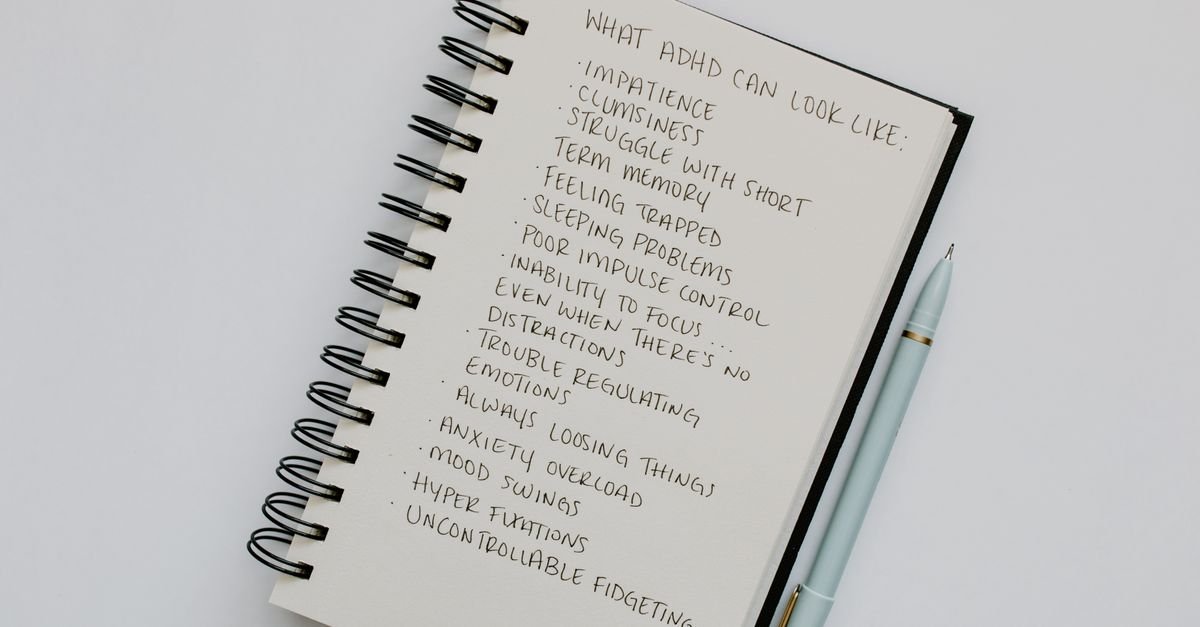
If brain fog clears after a good night's sleep and a quiet weekend, it is usually about load and recovery. If it lasts for weeks even though you are sleeping enough, book an appointment instead of trying another productivity fix. Several common causes can be found with straightforward tests.
Read the full guide: When Brain Fog Is Medical: What to Rule Out and When to Go on Mind Clarity Hub.
The one question that sorts it
Does it respond to rest? The test is persistence, not severity. Fog that improves with recovery points one way; fog that stays the same through good sleep and lighter weeks points the other.
Turn "foggy" into something a doctor can use
"Brain fog" is a label, not a diagnosis, and on its own it can be brushed aside. Describe what you can no longer do instead:
- "I cannot follow a page of text without rereading it."
- "I lose the thread of conversations in meetings."
- "I reach for ordinary words and they are not there."
The key clinical question is whether this is a change from your normal state, so say when you first noticed it.
A short record to bring
- When it started, and whether it is constant or comes and goes.
- Your sleep: hours, quality, and whether more sleep helps.
- Every medication and supplement you take, including new ones. Some cause fog, and this is easy to miss and easy to check.
- Any other changes: energy, mood, appetite, weight or periods.
- Specific examples of tasks it is affecting.
A written page like this makes a short appointment far more productive. If you need to push to be assessed, it is reasonable to do so.
This is general information, not medical advice. It cannot diagnose anything and exists to help you decide whether to see a doctor and how to prepare.
Everyday tiredness or something to check?
- Duration: days tied to a busy period, compared with weeks or months that do not ease.
- Response to rest: it lifts after good sleep or a holiday, compared with little or no improvement.
- Other symptoms: none beyond tiredness, compared with weight change, pain, mood change or palpitations.
- Onset: gradual, with circumstances, compared with sudden or after an illness.
- Effect on life: work feels harder, compared with work, driving or safety being affected.
Fix the reversible first, then go
Give sleep, daylight, movement and less alcohol two to three weeks. If the fog persists after that, stop treating it as a motivation problem and book an appointment.
Causes worth knowing exist
This is not a list to diagnose yourself from. It is a reminder that persistent fog often has a findable cause. Thyroid problems, anaemia (including iron and vitamin B12 deficiency) and blood-glucose problems are detected with routine blood tests. Sleep apnoea is widely undiagnosed, and the signs are loud snoring, pauses in breathing and waking unrefreshed after a full night. Depression and anxiety can show up as concentration problems before low mood. Perimenopause and menopause commonly cause cognitive symptoms that get blamed on stress. Persistent symptoms after a viral infection are now well recognised, and so is fog after a head injury, even a minor one.
When not to wait
Sudden confusion, new weakness, or a change in speech or vision is not a routine appointment. Seek help immediately.
Quick answers
How long should I wait before seeing a doctor? Give the reversible fixes two to three weeks: sleep, daylight, movement and less alcohol. If the fog is still there after that, it is time to book an appointment.
Should I mention supplements? Yes. Supplements count as medications here, and some interact with prescriptions. List everything you take, not only what was prescribed, including anything bought over the counter.
What if I feel I am not being taken seriously? Describe specific things you can no longer do and say when the change started. A concrete, dated account of a change from your normal state is what clinicians act on.
Should I be honest about alcohol, caffeine or drugs? Yes. They all contribute to fog, and an accurate account helps more than a flattering one.
For the comparison of everyday tiredness with persistent fog, and the causes worth ruling out, read When Brain Fog Is Medical: What to Rule Out and When to Go on Mind Clarity Hub.


Comments
Post a Comment